Master’s thesis proposal presentation
Presentation Date / 発表日: 2026年5月20日
From couture construction to Japanese spatial fashion and computational design
Professor / 担当教員: Professor TAKAGI, Yoko
高木 陽子 教授
Presented by / 発表者: Bui Minh Tuyet (Xno Bui)
Student Number / 学籍番号: WU26PAA007
Historical Trajectory


Fashion is not only dress; it is a spatial discipline
Research Problem
Fashion history is often told through surface, biography and chronology — not through operations
Architecture as garment
Ceo - Awwwards
enclosure, shelter, volume
Conventional reading
silhouette
season
designer biography
national style
Design-logical reading
cut
internal support
negative space
textile behavior
code
Historical trajectory from cut to code
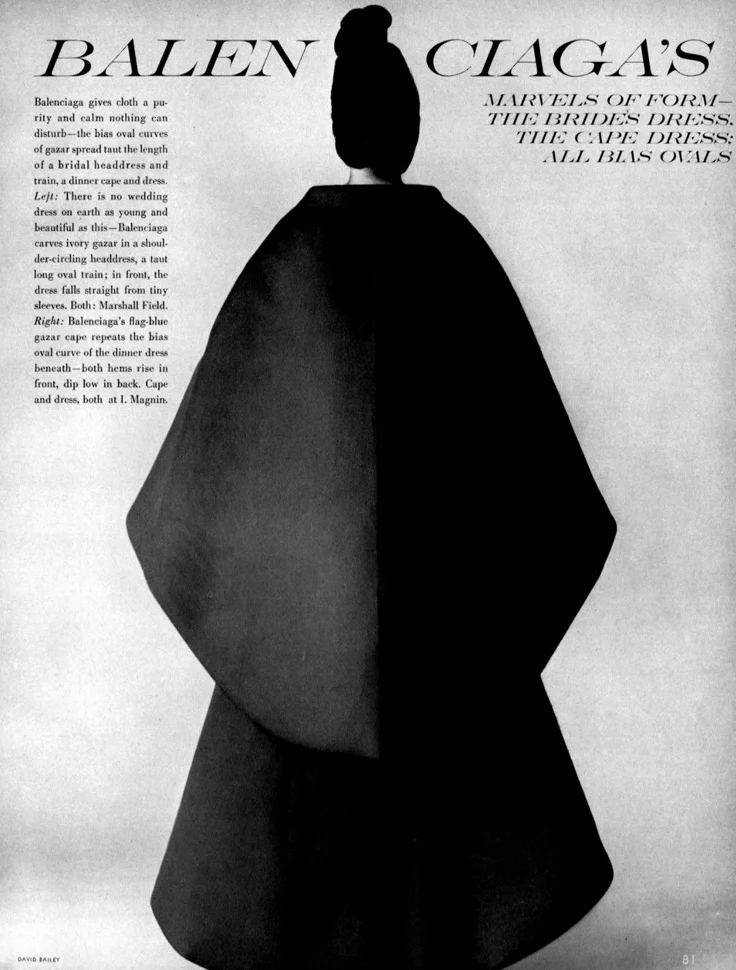
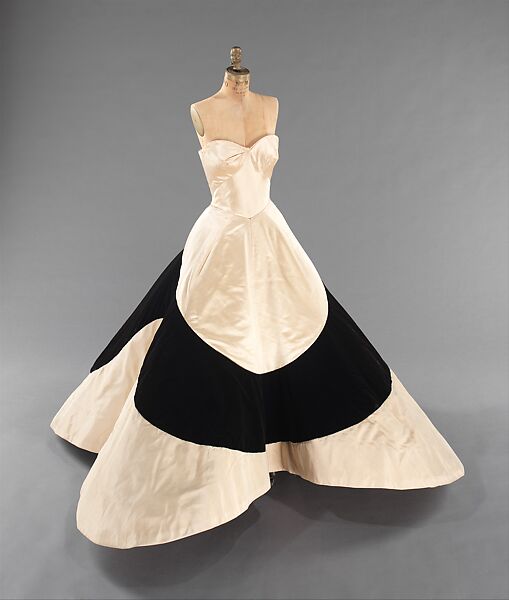
Vionnet, Balenciaga and Charles James show that modern fashion was already structural
Couture as geometry and architecture
Vionnet, Balenciaga and Charles James show that modern fashion was already structural

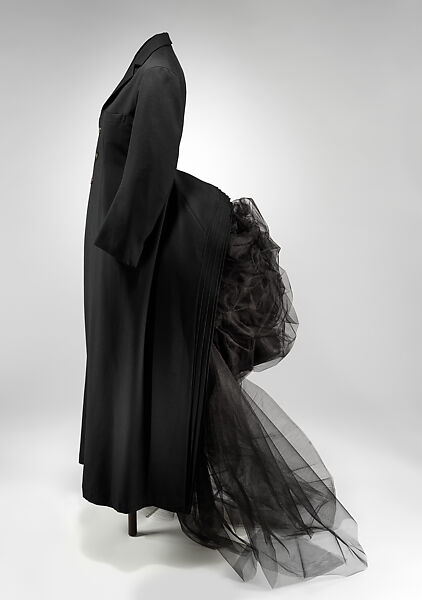
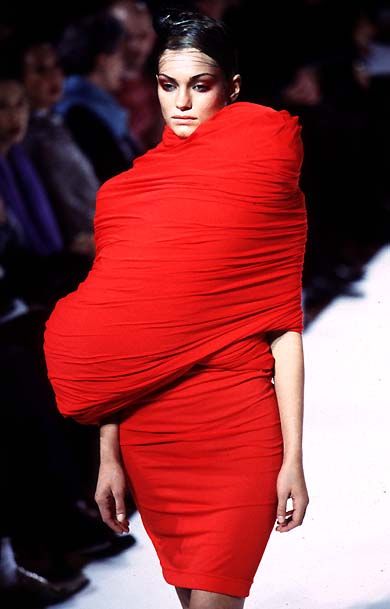
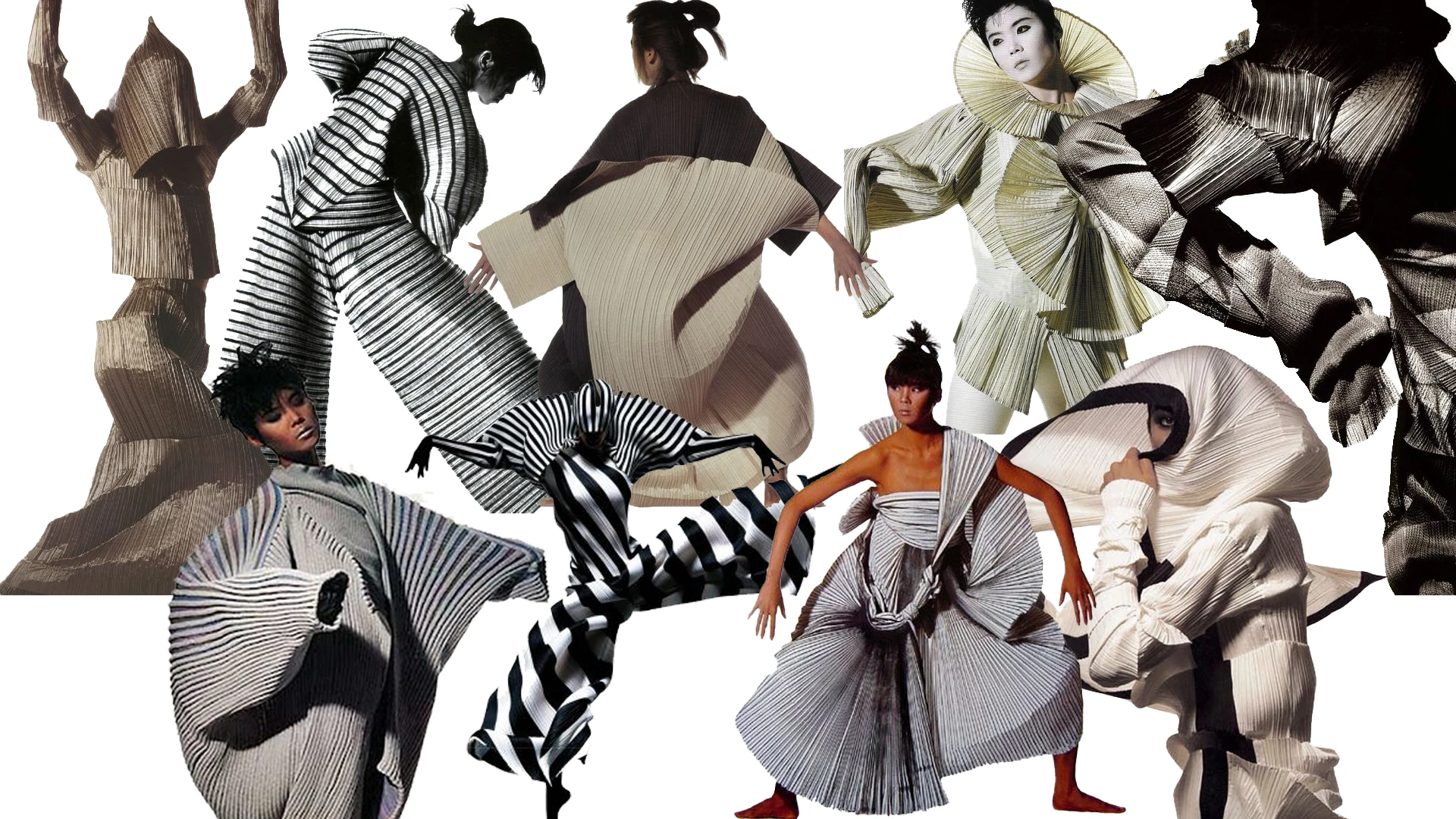
Japanese spatial fashion and the reframed body
Japan is not a supplement to the story. It is the point where the body becomes a variable.


From textile systems to computational fashion
The pattern becomes data; the garment becomes a protocol.
Computation/mechanism slide.
Garment as mechanism, monument, and performance device.
Hussein Chalayan, “Remote Control,” spring/summer 2000, edition 2005
Responsive materials slide.
Responsive fabric that changes color with UV exposure.
ANREALAGE, Photochromic item, Autumn/Winter 2023–24 “ = ”
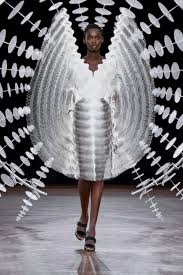
Kinetic cyclical harmony: symbiosis of kinetic sculpture engineering, 3D-printed couture and architecture collaboration
Iris van Herpen, “Epicycle” dress, ‘Hypnosis’ collection (2019)
Research position
My argument is that fashion is not only about dressing or decorating the body. It can also be understood as a spatial discipline.
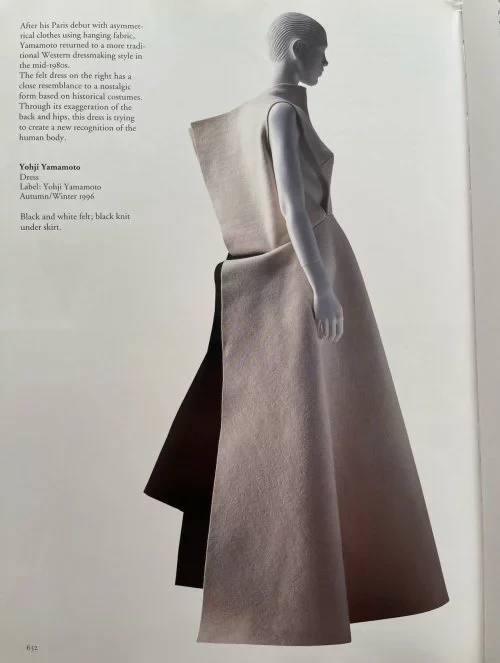
I study designers such as Vionnet, Balenciaga, Miyake, Kawakubo, and Yamamoto to show how garments became structures and systems, not just surfaces.
In a Japanese fashion context, this is important because Japanese avant-garde fashion changed global fashion by changing the idea of fit. It questioned whether clothing must follow the body, flatter the body, or idealise the body. Instead, it used flatness, asymmetry, negative space, and movement to create a new relationship between body, cloth, and space.
Research questions
Analytical space
flat pattern → constructed garment → worn body → moving body in environment
Significant
This argument is significant for three reasons.
First, it shifts fashion history from style to design logic. Instead of asking only what garments looked like, I ask what kind of spatial and construction logic produced them.
Second, it positions Japanese fashion as central to global fashion history. Japanese avant-garde fashion did not simply introduce an alternative look. It changed how fashion understands the body, fit, space, and movement.
Third, this research supports practice-based design. The thesis can become a method for making garments through flat-to-volume experiments, pleating, padding, modular construction, textile systems, or digital pattern work.
In this way, the research is not only historical. It becomes a foundation for design practice.
01
Flat Pattern
02
Constructed Garment
Why Bunka?
Institution
Bunka’s history gives the project a Japanese and practice-led foundation.
107 years
The first fashion school in asia
Design lineage
Yamamoto and Watanabe connect Bunka to global spatial fashion.
Research fit
The thesis links historical analysis to pattern, material and prototype testing.







Skin + Bones
Patricia Mears, Brooke Hodge

Skin + Bones
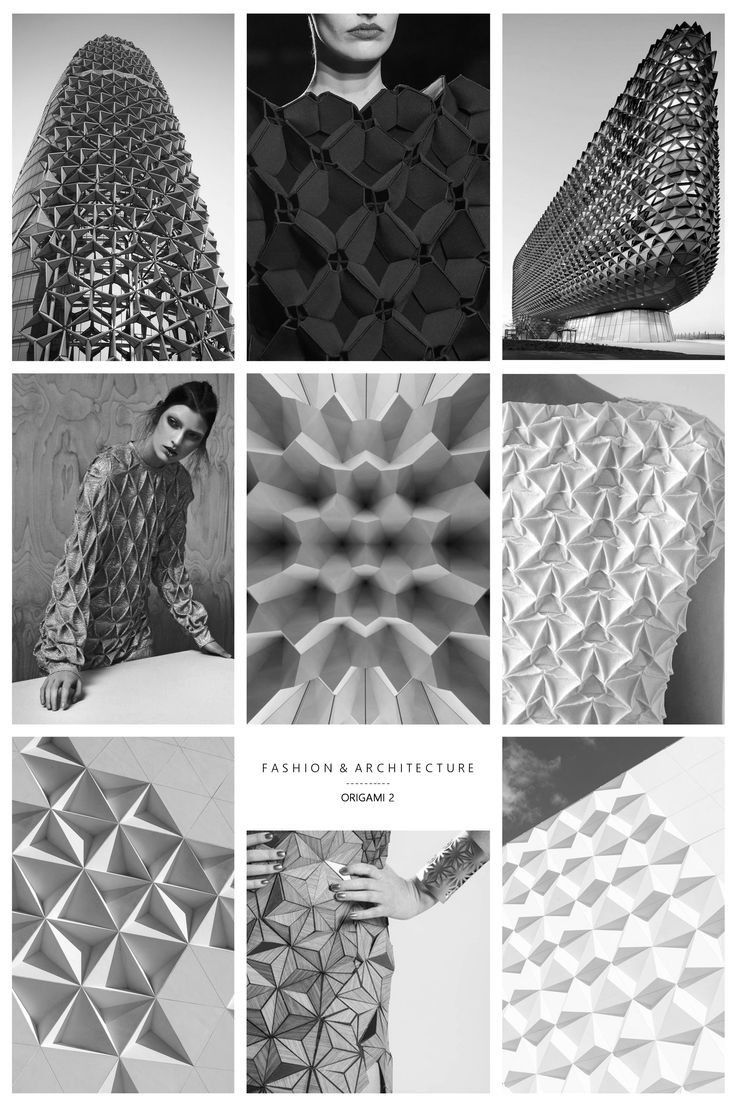
fashion and architecture
share a concern with
body, structure, surface, and space
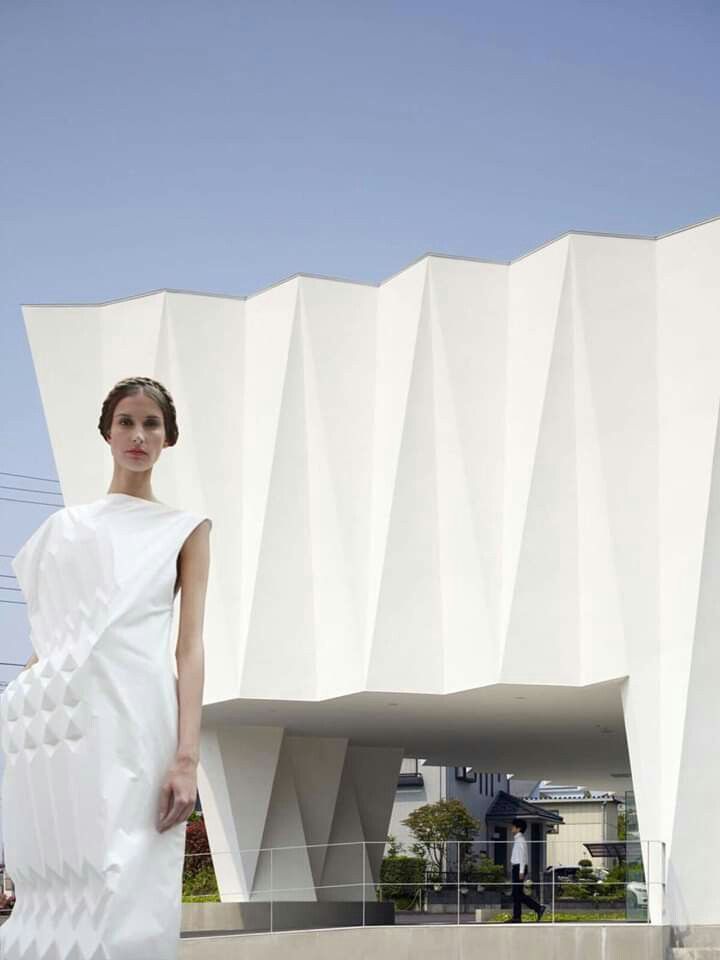
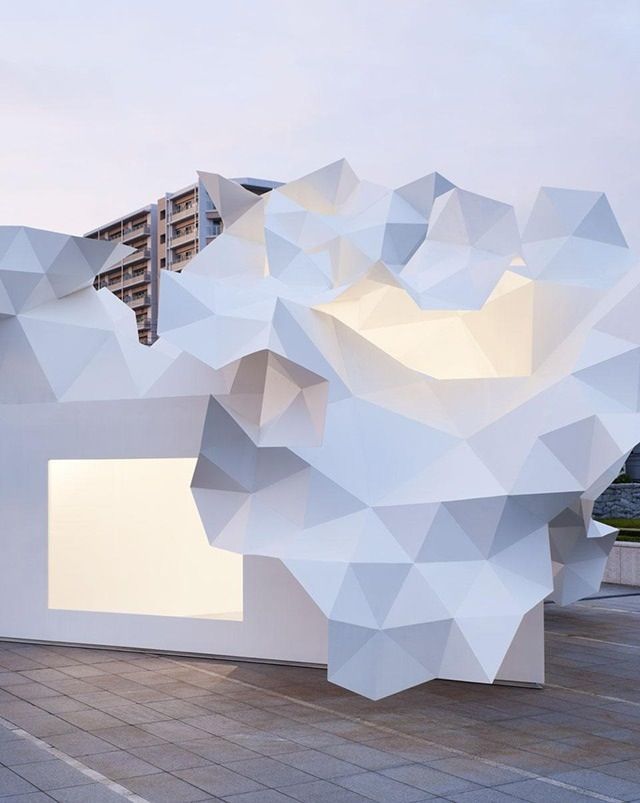
Architecture: "Pleats" Building by Kensuke Watanabe
Architecture Studio.
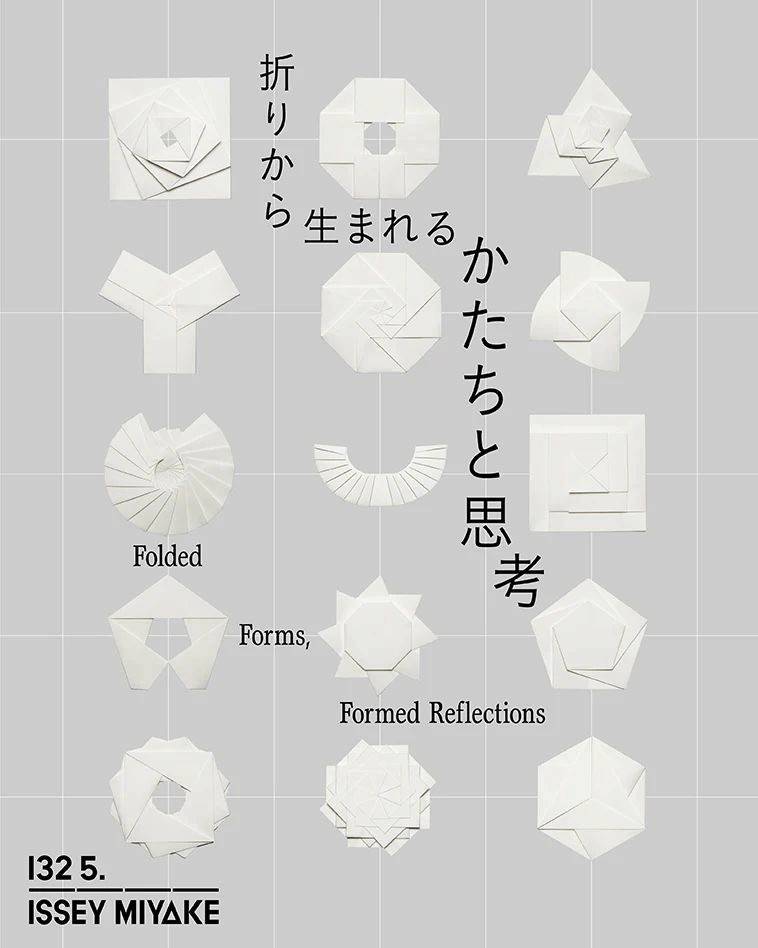
Fashion: "132 5. Issey Miyake" Collection by Issey Miyake.
Research questions
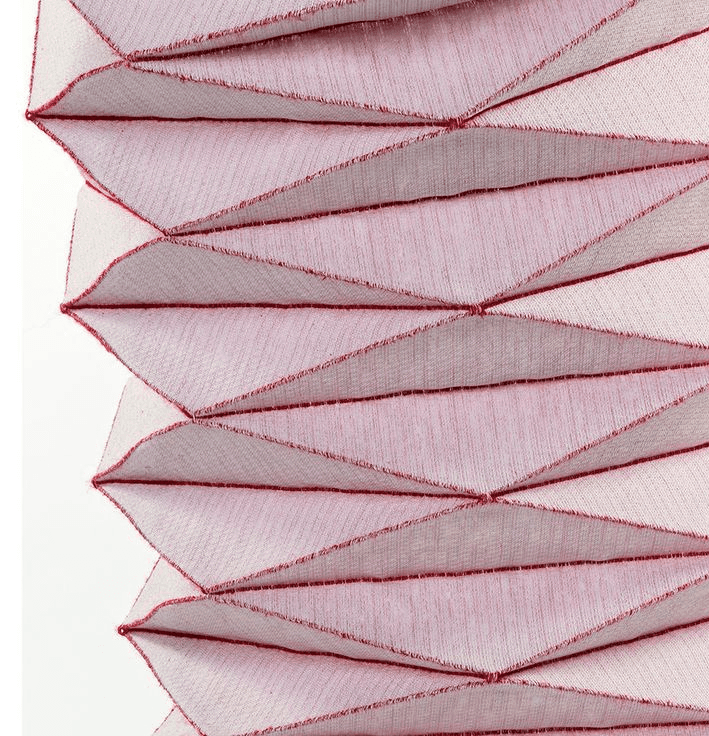
flat
folded/closed
expanded
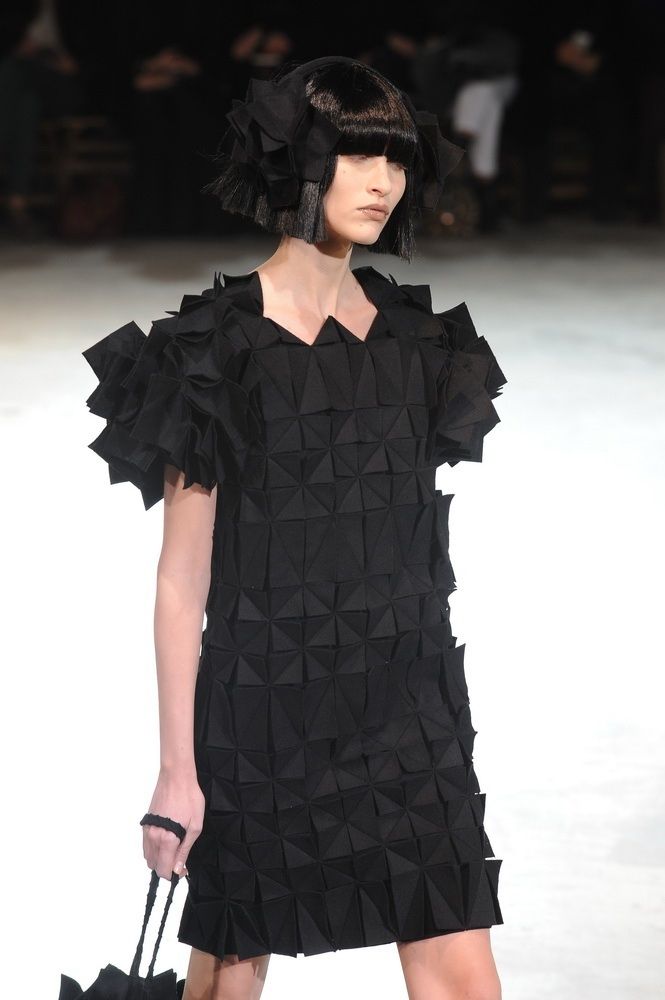
repeating


Understand fashion
not as fixed silhouette,
but as a moving spatial
